Lifeguard On Site Training – Building Safer Communities
Swimming pool operation and maintenance are essential for ensuring a safe and enjoyable environment for all pool users. The American Lifeguard Association (ALA) offers a comprehensive Swimming Pool Operators Course that equips pool operators with the knowledge and skills necessary to properly maintain swimming pools and aquatic facilities, ensuring they meet safety and health standards. This training is vital for individuals responsible for pool operations, whether in public swimming pools, private clubs, resorts, or aquatic centers. The ALA’s Pool Operators Course covers key aspects of pool operation, from water chemistry and filtration systems to safety regulations and facility management.
Operating a swimming pool involves more than just keeping the water clean. A well-managed pool requires careful attention to water chemistry, equipment functionality, sanitation, and adherence to safety protocols. Improper management can lead to waterborne illnesses, accidents, and costly facility repairs. The ALA’s Swimming Pool Operators Course ensures that pool managers and operators have the expertise to maintain a safe, clean, and compliant aquatic facility. Pool operators must stay updated on the latest regulations, technologies, and best practices to ensure the safety of swimmers and staff.
This training provides participants with an understanding of these key elements:
Global drowning deaths each year (WHО)
Cause of injury death, ages 1-4 in the U.S.
Years of ALA lifeguard training
The ALA’s Swimming Pool Operators Course is designed to provide both theoretical knowledge and practical skills that are essential for running a safe and efficient swimming pool. The course includes comprehensive training on the following areas:
PH Balance: Learn how to maintain the correct pH level in your pool, which is critical for swimmer comfort and to ensure chlorine and other sanitizers are effective.
Disinfection Methods:Explore different methods of disinfecting water, including chlorine, saltwater systems, and UV systems.
Water Testing:Understand how to test the water for contaminants and how to respond to different test results to maintain proper water quality.
Pool Pumps and Filters:Learn how different types of pool pumps and filters work, and how to maintain them for peak performance.
Circulation Systems:The importance of proper water circulation and how to manage flow rates to ensure water quality and prevent stagnant areas.
Cleaning and Backwashing: Instructions on backwashing filters, cleaning the pool, and maintaining the facility’s hygiene.
Lifeguard Integration: Learn how lifeguards and pool operators work together to ensure a safe swimming environment.
Hazard Identification: Identify potential hazards around the pool deck, changing rooms, and equipment rooms, and learn how to mitigate them.
Emergency Preparedness: Develop emergency action plans for water-related incidents, chemical spills, and other potential emergencies.
Local, State, and Federal Laws: Understand the legal requirements for operating a public swimming pool, including those from the Model Aquatic Health Code (MAHC).
Waterborne Disease Prevention: Learn how to manage and prevent outbreaks of illnesses such as cryptosporidium and other waterborne pathogens.
Record Keeping: Keeping accurate records of water testing, maintenance activities, and any incidents that occur at the pool.
Energy Efficiency:Explore ways to operate a swimming pool using energy-efficient methods, such as optimizing pump schedules and using solar heating systems.
Water Conservation:Learn about the latest technologies and best practices for reducing water consumption without compromising water quality.
Upon successful completion of the ALA’s Swimming Pool Operators Course, participants receive a Pool Operator Certification, which is valid for three years. This certification confirms the skills and knowledge required to maintain a swimming pool to high safety, cleanliness, and compliance standards.
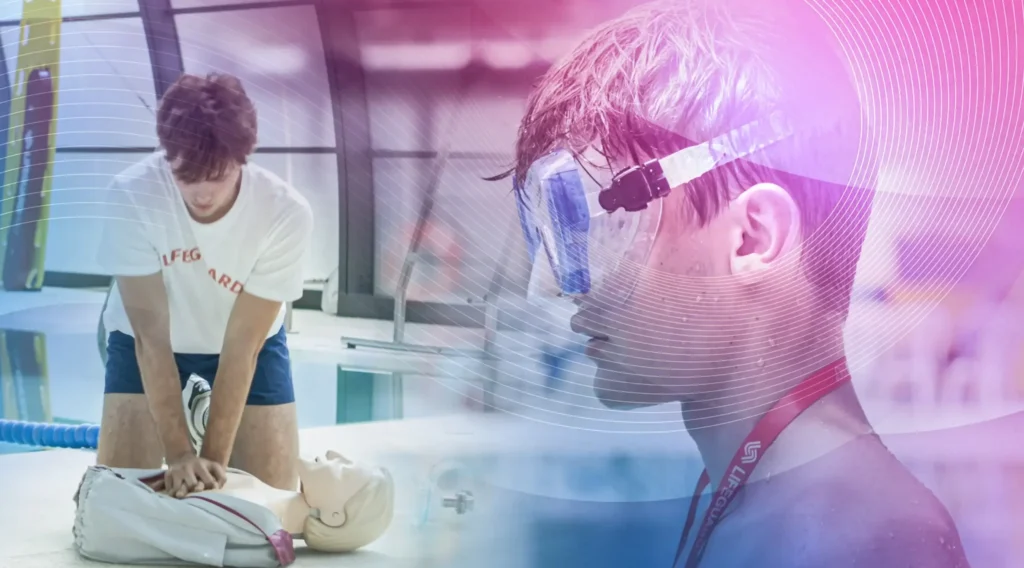
Being a certified pool operator can open the door to higher-paying positions and more responsibilities in aquatic facility management.
Many states and municipalities require pool operators to be certified, so this course is essential for ensuring that facilities comply with local laws.
Certified pool operators are better equipped to prevent accidents, manage risks, and ensure the pool operates efficiently, reducing costs and liability.
The Swimming Pool Operators Course is ideal for:
Individuals who oversee the daily operations of swimming pools.
Professionals responsible for the safety and maintenance of public or private aquatic centers.
Owners of gyms, hotels, resorts, or apartment complexes with swimming pools.
Individuals who want to enhance their skills and take on more responsibility in the pool environment.
The American Lifeguard Association is a leading authority in aquatic safety, with over 30 years of experience in training lifeguards and pool operators. The ALA’s Pool Operators Course is recognized by health departments and regulatory agencies across the United States for meeting national standards. ALA-certified pool operators are trusted to maintain safe and compliant swimming pools, making them desirable hires in the aquatic industry.
The role of lifeguards, aquatic managers, and individuals in ensuring safety cannot be underestimated. By undergoing proper training, maintaining awareness of water hazards, and committing to safety protocols, we can make water activities safer for all participants. Aquatics and water safety are everyone’s responsibility. With the right knowledge and tools, we can all help reduce drowning incidents and injuries while enjoying the water.
Operating a swimming pool is a responsibility that requires knowledge, precision, and attention to safety. The American Lifeguard Association’s Swimming Pool Operators Course provides comprehensive training to ensure that individuals tasked with managing pools can maintain safe, compliant, and efficient facilities. Whether you are a facility manager, lifeguard, or maintenance staff, becoming a certified pool operator opens the door to career growth while enhancing the safety and experience of all pool users.
Ensure your aquatic facility is in capable hands by enrolling in the ALA’s Pool Operators Course today. Visit ALA Pool Operations to learn more and begin your certification journey.
Join thousands trained by the American Lifeguard Association. Nationally recognized certification, backed by 30+ years of experience.